

Your Success, Our Mission!
6000+ Careers Transformed.
Imagine you go to a café
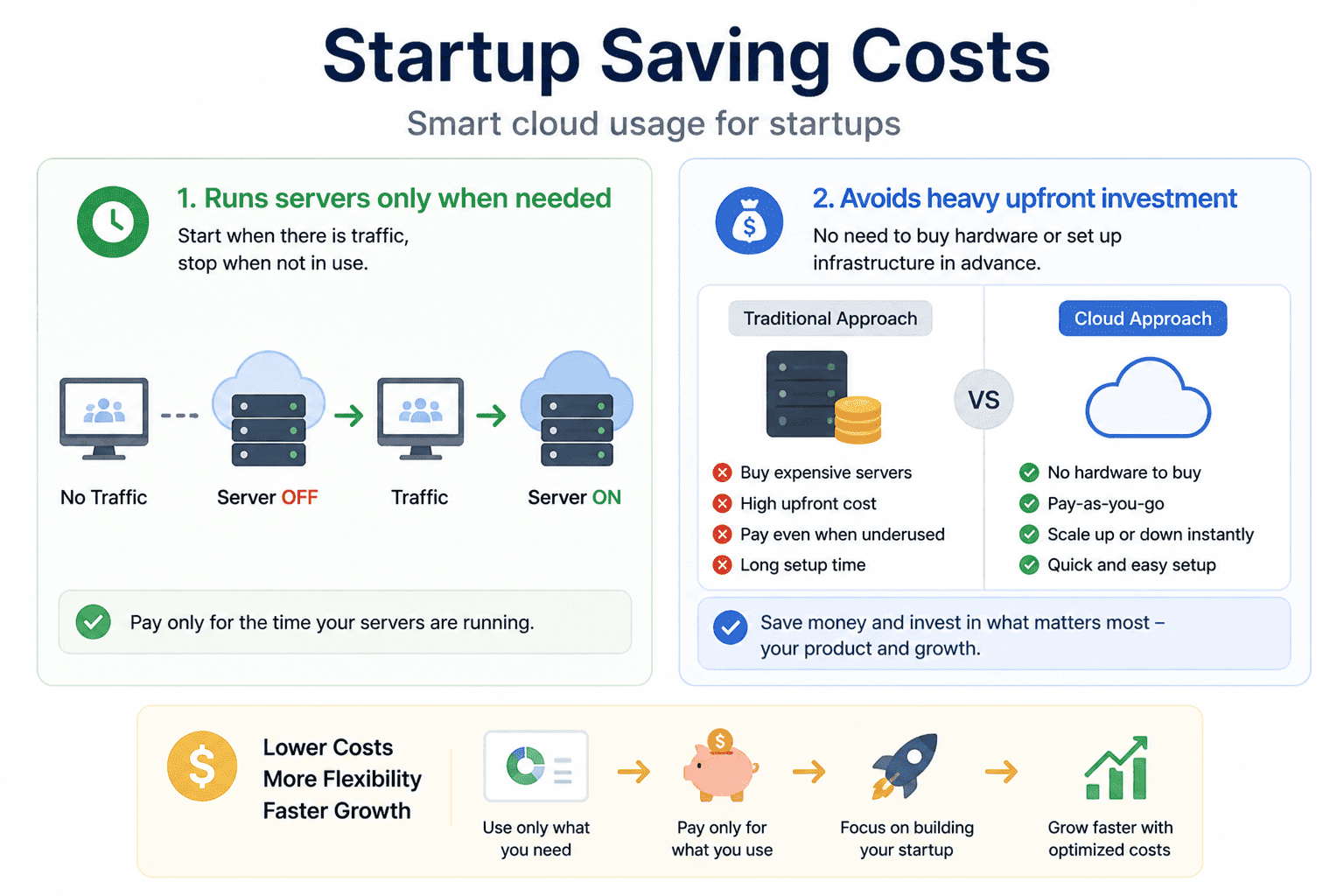
You don’t pay for the entire café you only pay for what you order:
Now imagine if you had to buy the whole café just to drink one coffee
That’s exactly how traditional servers work expensive and inefficient
But GCP works differently…
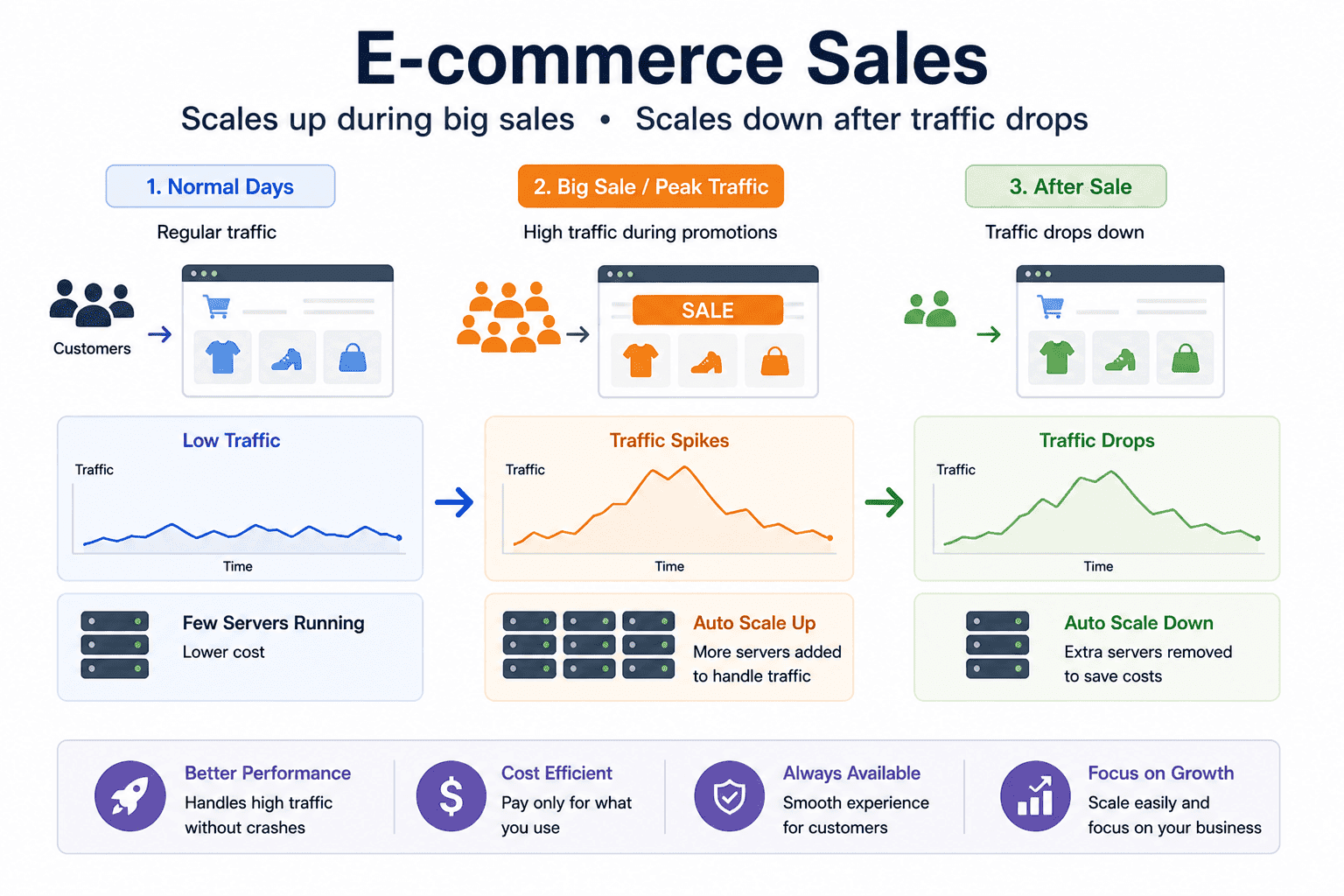
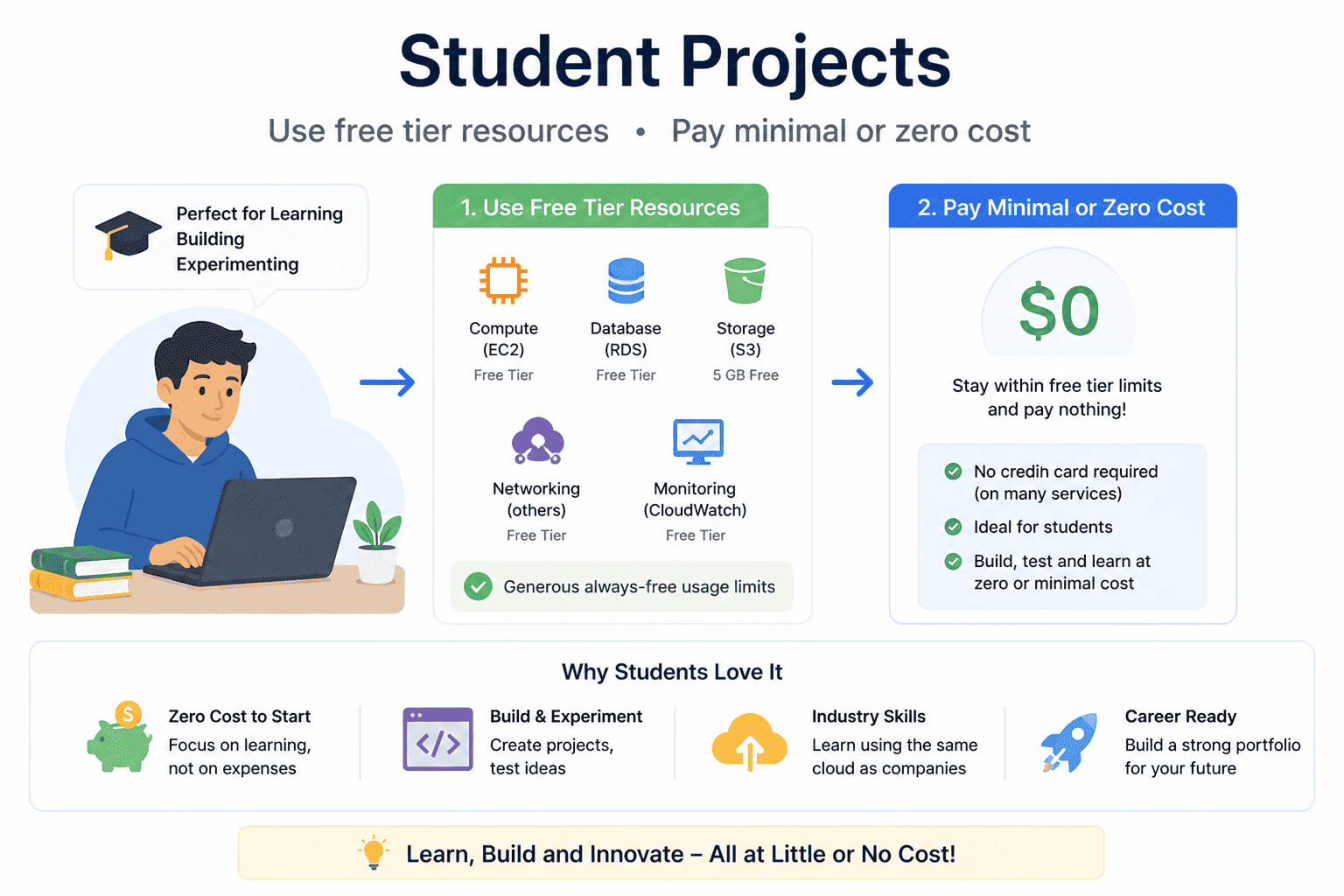
You only pay for what you use
This is called the Pay-as-you-go model
The GCP Pricing Model means:
You are charged only for the resources you consume
There is:
How Pricing Works
You pay based on usage of:
Pricing Example
Service | Usage | Cost Concept |
| VM Instance | Per second | Pay while running |
| Storage | Per GB | Pay for stored data |
| Network | Per GB transfer | Pay for data movement |
Technical Example
Creating a VM (cost starts only when running):
| gcloud compute instances create my-vm \ --machine-type=e2-medium |
Stop the VM → Billing stops
Delete it → No cost
Top Tutorials

Python
Python is a popular and versatile programming language used for a wide variety of tasks, including web development, data analysis, artificial intelligence, and more.
SQL
The SQL for Beginners Tutorial is a concise and easy-to-follow guide designed for individuals new to Structured Query Language (SQL). It covers the fundamentals of SQL, a powerful programming language used for managing relational databases. The tutorial introduces key concepts such as creating, retrieving, updating, and deleting data in a database using SQL queries.
Data Science
Learn Data Science for free with our data science tutorial. Explore essential skills, tools, and techniques to master Data Science and kickstart your career

 in Bengaluru, India



All Courses (6)
Master's Degree (2)
Professional Certifications (4)
Ideal for working professionals and graduates
Outcomes: 5-40 LPA Job + Masters Degree

 What is Cloud Computing?
 in Bengaluru, India