

Your Success, Our Mission!
6000+ Careers Transformed.
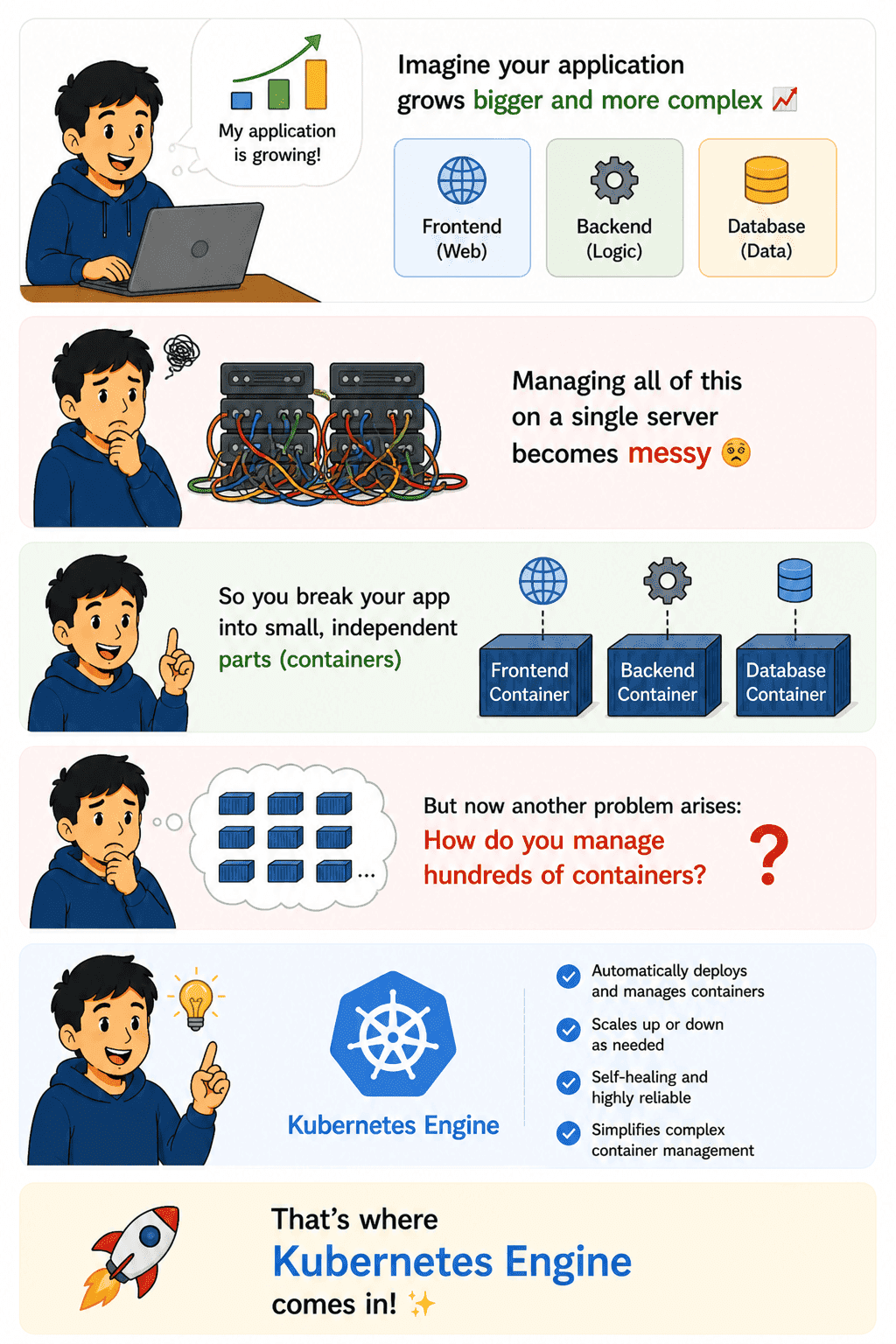
Imagine your application grows bigger and more complex
Now it has:
Managing all of this on a single server becomes messy
So you break your app into small independent parts (containers)
But now another problem arises:
How do you manage hundreds of containers?
That’s where Kubernetes Engine comes in
What is the Kubernetes Engine?
Google Kubernetes Engine (GKE) is a managed service that helps you:
Containerized applications using Kubernetes
What is a Container?
A container is a lightweight package that includes:
It runs the same everywhere (no compatibility issues)
Key Features of GKE
Important Components
Component | Description |
| Cluster | Group of machines |
| Node | Individual machine |
| Pod | Smallest unit (runs containers) |
| Service | Exposes app to users |
Technical Example (Deploy Container)
| kubectl create deployment my-app --image=nginx kubectl expose deployment my-app --type=LoadBalancer --port=80 |
This deploys and exposes your app in a Kubernetes cluster
How GKE Works
Real-Life Examples
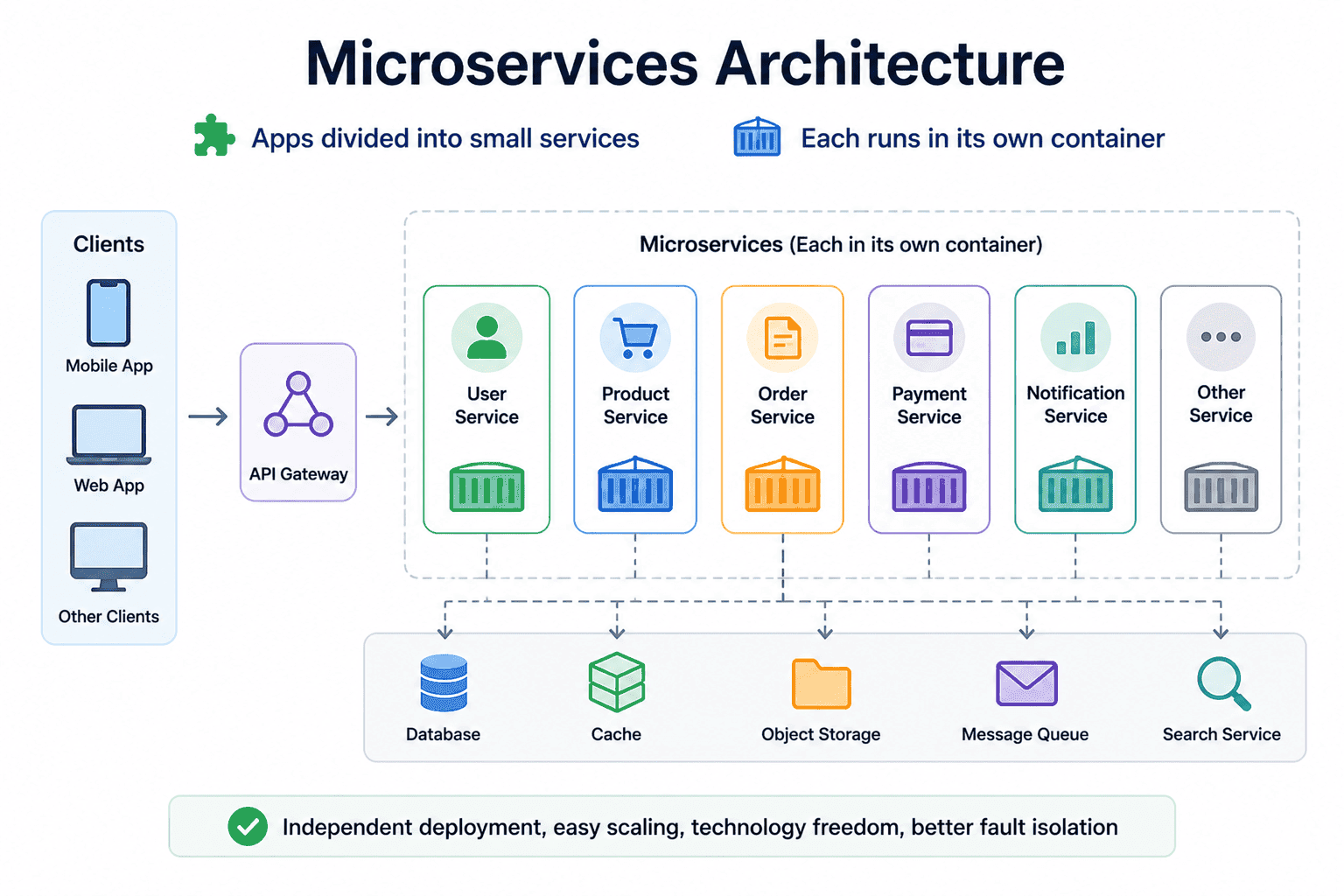
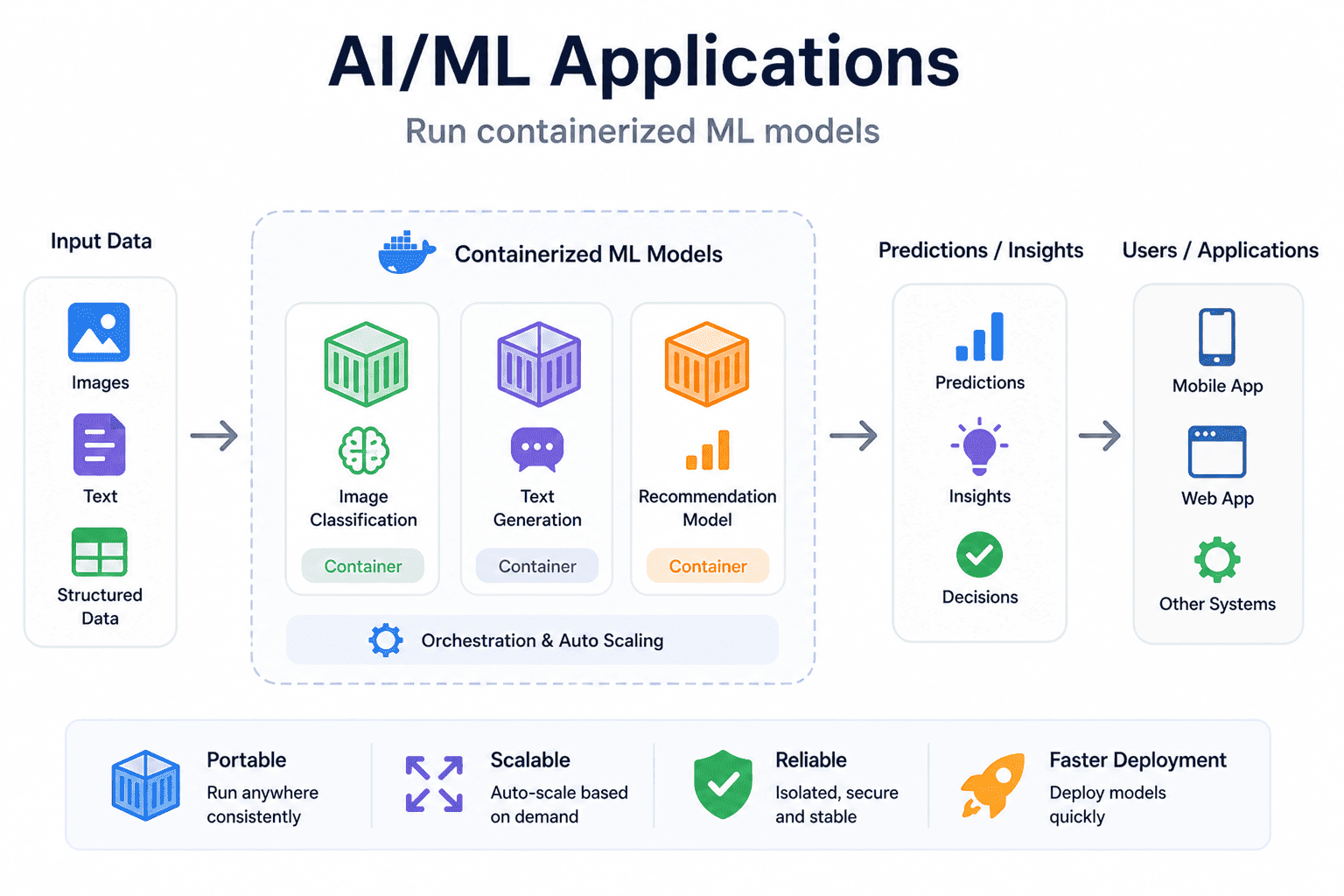
1. Microservices Architecture
Top Tutorials

Python
Python is a popular and versatile programming language used for a wide variety of tasks, including web development, data analysis, artificial intelligence, and more.

SQL
The SQL for Beginners Tutorial is a concise and easy-to-follow guide designed for individuals new to Structured Query Language (SQL). It covers the fundamentals of SQL, a powerful programming language used for managing relational databases. The tutorial introduces key concepts such as creating, retrieving, updating, and deleting data in a database using SQL queries.

Data Science
Learn Data Science for free with our data science tutorial. Explore essential skills, tools, and techniques to master Data Science and kickstart your career

 in Bengaluru, India



All Courses (6)
Master's Degree (2)
Professional Certifications (4)
Ideal for working professionals and graduates
Outcomes: 5-40 LPA Job + Masters Degree

 Compute Engine (Virtual Machines)


 in Bengaluru, India